
MAKING A WILL
There is no one answer about how to do your Will. It all depends on your assets, your circumstances and who your beneficiaries will be.
You need to make a will that makes your wishes clear, that avoids confusion and conflict amongst your loved ones, and that is legally valid and binding. Doing this will protect your family and friends from costly and stressful legal disputes.
Things you need to consider:
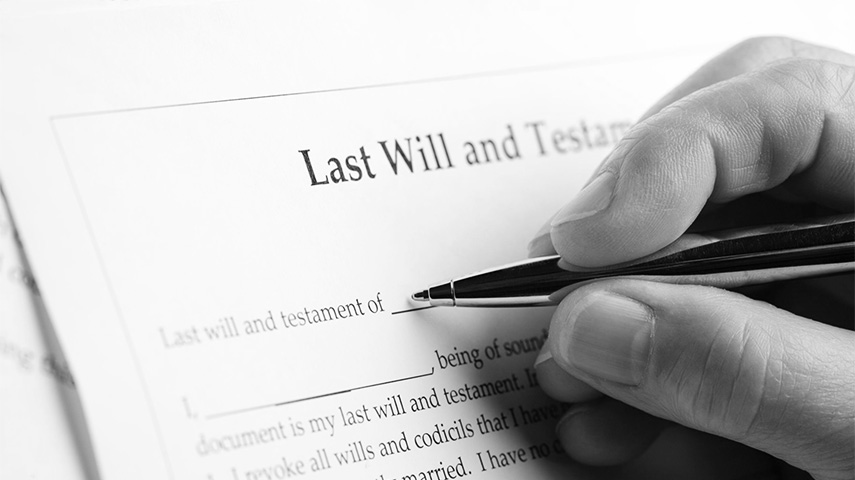
WHO WILL BE YOUR EXECUTORS?
Your Executors have the legal and administrative task of sorting out your assets and debts after you die and making sure that your wishes as outlined in the Will are upheld.
Choosing an executor for your will is an important decision about who will manage and distribute your estate after your death. An executor is responsible for identifying and valuing your assets, paying your debts and taxes, and distributing your property to your heirs. Here are some things to consider when choosing an executor for your will:
1. Responsibilities: The executor has many responsibilities, including identifying and valuing assets, paying debts and taxes, and distributing property to heirs. Make sure the person you choose is willing and able to take on these responsibilities.
2. Trustworthiness: Choose someone you trust to carry out your wishes and manage your estate in a responsible manner.
3. Skills and availability: The executor should have the necessary skills and availability to manage legal and financial matters. However, your executor can always outsource work to professionals such as accountants and solicitors where needed. Your executor does not require any special skills per se other than being able to manage the administration of the estate. Many executors choose to outsource most of this work to their estate solicitor.
4. Location: Consider the location of the executor, as they may need to be present in the jurisdiction where your estate is being administered. However, with the changes to electronic signing of documents since the pandemic it is now possible for signatures to be obtained remotely for most things. Your executor really only needs a postal address in the same jurisdiction where the estate assets are held – this can be the postal address for the estate solicitor.
5. Potential conflicts: Consider any potential conflicts of interest between the executor and the beneficiaries of your estate.
6. Successor executor: It’s a good idea to name at least one younger successor executor in case your first choice dies before you or declines to serve.
When choosing an executor, it’s important to discuss the job duties with the person you wish to name and make sure they are willing and able to serve.
WHO WILL BE YOUR BENEFICIARIES AND WHAT EFFECT WILL THEIR INHERITANCE HAVE ON THEIR CIRCUMSTANCES?
You can designate anyone as a beneficiary and distribute your assets in any way you like, however if you don’t provide for your family and dependents, your will can be contested and your hard won assets used on litigation fees.
You also should consider the effects that an inheritance may have on your beneficiaries. In some cases a testamentary trust can sidestep potential taxation problems, or to ensure that a beneficiary doesn’t loose any government benefits as a result of an inheritance, so it’s important that you get quality legal advice.
HOW DO YOU KNOW A WILL IS VALID?
To be valid, the person making the Will must be mentally competent, the Will must be correctly signed and witnessed, and show no evidence of tampering. The witnesses to the Will cannot be beneficiaries, or related to beneficiaries and must be over 18. It is always best to get a solicitor to ensure that your will is valid and correctly executed.
HOW OFTEN SHOULD I REVIEW MY WILL?
It is a good rule of thumb to review your estate planning documents every five years to make sure it is current and no changes are required due to any change in circumstances or perhaps you have just changed how you would like your assets to be divided.
You should certainly review your Will after any major events, such as marriage, divorce, property purchase or sale, death of a beneficiary or if your assets change significantly. We also recommend that you take a look at your Will every couple of
years just to make sure that it is still the best instrument for you and for your family.
WE CAN HELP
We know the potential pitfalls, and will ask you all the right questions to make sure that you have considered every possibility. We can give you options about whether you would be best with a simple Will or a more complex discretionary Testamentary Trust. We can safely store your Will in our secure safe custody register.
Contact us to discuss your particular situation and your family’s needs.